Dr. Manasi Thakur | Gynaecologist In Nagpur | Pregnancy, Delivery | Abortion | Cosmetic Gynecology

IVF Treatment in Nagpur | Dr. Manasi Thakur – Zenith Hospital
What is IVF?
In natural conception, an egg and sperm are fertilized inside a woman’s body. When the fertilized egg attaches to the lining of the womb and grows, a baby is born about 9 months later.
In Vitro Fertilization (IVF) is an advanced form of Assisted Reproductive Technology (ART) that helps women conceive when natural methods are unsuccessful. IVF can be performed using the couple’s own eggs and sperm, or with the help of donated eggs, sperm, or embryos. In some cases, a gestational carrier (surrogate) may also be involved.
Why is IVF Used?
At Zenith Hospital, Nagpur, under the expertise of Dr. Manasi Thakur, IVF is recommended in cases such as:
Fallopian tube damage or blockage
Ovulation disorders
Uterine fibroids (which may interfere with implantation)
Previous tubal sterilization or removal
Impaired sperm production or function
Unexplained infertility
Genetic disorders
Fertility preservation before cancer treatment or other health conditions
Women above 40, where IVF may be advised as a primary fertility treatment
How is IVF Performed?
IVF involves five key steps:
Stimulation (Ovulation Induction)
Fertility drugs are given to stimulate the ovaries to produce multiple eggs.
Regular ultrasounds and blood tests are performed to monitor progress.
Egg Retrieval (Follicular Aspiration)
A minor surgical procedure is performed to collect eggs from the ovaries.
Insemination & Fertilization
Collected eggs are mixed with healthy sperm in the lab.
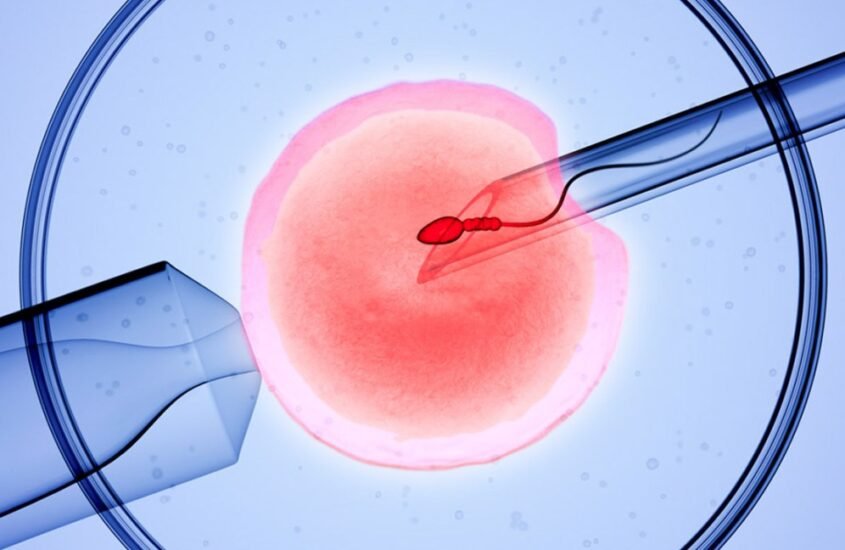
Sometimes, a single sperm is directly injected into an egg (ICSI – Intracytoplasmic Sperm Injection), especially in cases of poor sperm quality.
Embryo Culture
Fertilized eggs develop into embryos over 3–5 days in a controlled lab environment.
Embryo Transfer
The best-quality embryos are transferred into the uterus using a thin catheter.
If implantation is successful, pregnancy begins.
Risks of IVF
IVF at Zenith Hospital is generally safe, but some possible risks include:
Multiple births (if more than one embryo is transferred)
Premature delivery or low birth weight
Ovarian Hyperstimulation Syndrome (OHSS) due to fertility medications
Miscarriage (risk increases with maternal age)
Ectopic pregnancy (2%–5% of cases)
Minor egg retrieval complications
Emotional and financial stress during the treatment process
Chances of Success with IVF
The chances of having a healthy baby through IVF depend on several factors:
Maternal age – Younger women have higher success rates; women above 41 may benefit from donor eggs.
Embryo quality – Transfer of well-developed embryos leads to better outcomes.
Reproductive history – Women who have given birth before generally have higher chances of success.
Cause of infertility – Conditions like severe endometriosis may lower success rates.
Lifestyle factors – Smoking, obesity, excessive caffeine, alcohol, and stress can reduce IVF success.