Dr. Manasi Thakur | Gynaecologist In Nagpur | Pregnancy, Delivery | Abortion | Cosmetic Gynecology

Ovarian Cysts
What are ovarian cysts?
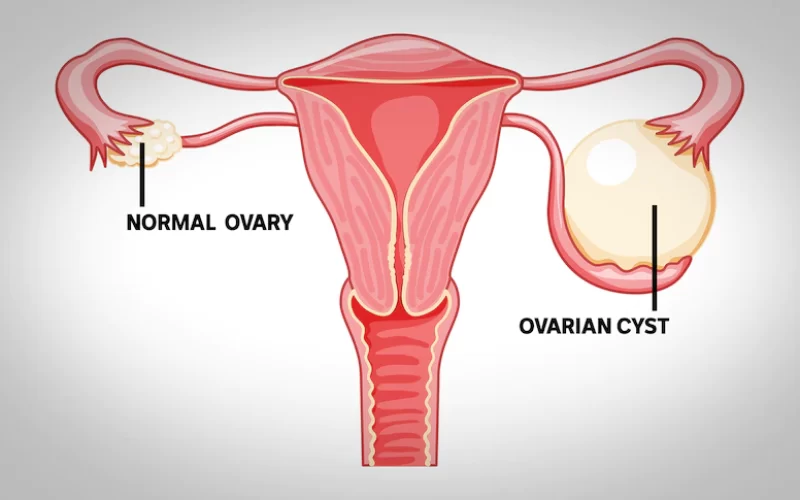
What are the symptoms of ovarian cysts?
Many women have no symptoms at all. When symptoms occur, they may include:
Pain or pressure in the lower abdomen (dull, sharp, or intermittent).
Severe pain if a cyst ruptures or if it causes the ovary to twist. This may be accompanied by nausea, vomiting, light vaginal bleeding, or intense abdominal discomfort.
In such cases, immediate medical attention is necessary.
What causes ovarian cysts?
There are different causes, including:
Ovulation or pregnancy – Sometimes, a follicle grows but doesn’t release an egg, turning into a cyst. Or, after pregnancy, a cyst may remain for weeks or months. These are usually harmless and go away naturally.
Dermoid cysts – Common benign cysts that may contain hair, fat, or teeth. They usually need surgical removal.
Polycystic ovary syndrome (PCOS) – Multiple small cysts form on the ovaries. These don’t require removal, but PCOS itself needs treatment.
Endometriosis – Endometrial tissue growing outside the uterus can form ovarian cysts (endometriomas), causing pain during periods, pain during sex, or fertility issues.
Cancer – Very rare (less than 1 in 100 cases). Risk is higher in postmenopausal women and those with a family history of ovarian cancer.
How are ovarian cysts diagnosed?
Your doctor may recommend:
Pelvic ultrasound – Most common test to check the size, location, and number of cysts.
MRI or CT scan – Sometimes advised for further clarity.
Blood tests – To rule out pregnancy or assess cancer risk.
How are ovarian cysts treated?
Treatment depends on the type and size of cysts, symptoms, and whether you wish to get pregnant. Options include:
Watchful waiting – Small, harmless cysts may be monitored with periodic ultrasounds, as they often shrink or disappear.
Birth control pills – To prevent new cysts from forming.
Surgery – To remove cysts or, in some cases, the entire ovary if necessary.