
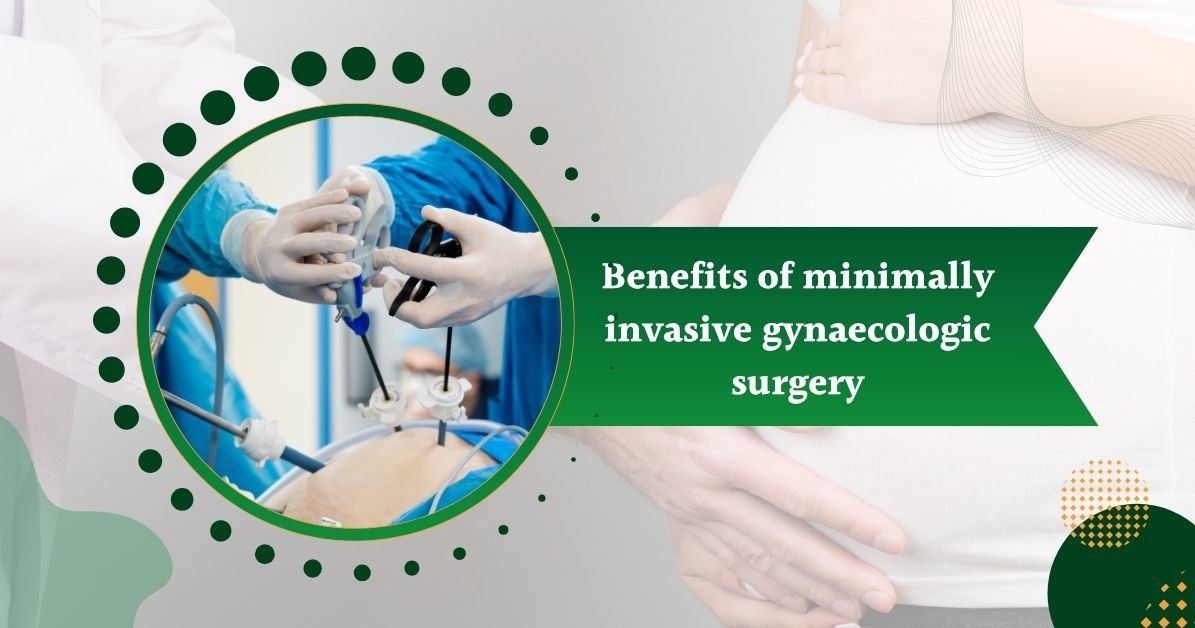
Modern gynecology has evolved tremendously with the introduction of minimally invasive surgical techniques. These advanced procedures—such as laparoscopic and hysteroscopic surgeries—allow doctors to diagnose and treat gynecologic conditions with smaller incisions, less pain, and faster recovery compared to traditional open surgeries.
Minimally invasive gynaecologic surgery (MIGS) is now considered the gold standard for many procedures related to the uterus, ovaries, and fallopian tubes.
What Is Minimally Invasive Gynaecologic Surgery?
Minimally invasive gynaecologic surgery involves using specialized instruments and a tiny camera (laparoscope or hysteroscope) inserted through small incisions or natural openings. This approach enables the surgeon to visualize and operate on the pelvic organs without large cuts, significantly reducing tissue damage.
Common procedures performed through minimally invasive techniques include:
- Laparoscopic Hysterectomy
- Ovarian Cyst Removal
- Myomectomy (Fibroid Removal)
- Endometriosis Treatment
- Ectopic Pregnancy Surgery
- Tubal Ligation or Reversal
Key Benefits of Minimally Invasive Gynaecologic Surgery
- Smaller Incisions and Less Scarring
One of the major advantages of MIGS is the use of small incisions—often less than a centimeter—resulting in minimal visible scarring. This makes the procedure cosmetically appealing and less invasive to the body.
- Reduced Pain and Discomfort
Since the incisions are smaller and the surrounding tissues experience less trauma, patients typically report less postoperative pain and require fewer pain medications after surgery.
- Faster Recovery Time
Most women can return to their normal routine within a few days to a week after surgery. The reduced recovery period allows for a quicker return to work, daily activities, and improved quality of life.
- Shorter Hospital Stay
Minimally invasive surgeries are often performed as day-care or short-stay procedures. Many patients are discharged on the same day or within 24 hours, reducing hospital-related costs and inconvenience.
- Lower Risk of Infection and Complications
Smaller wounds heal faster and are less prone to infections or postoperative complications such as hernias, excessive bleeding, or wound breakdown.
- Better Precision and Visualization
Advanced imaging tools in laparoscopic and hysteroscopic surgeries give surgeons a magnified, high-definition view of internal organs, enabling more accurate and safer surgical outcomes.
- Minimal Blood Loss
The precise surgical approach leads to less blood loss during the procedure, reducing the need for transfusions and promoting faster healing.
Conditions Treated with Minimally Invasive Surgery
Minimally invasive surgery can effectively treat several gynecologic conditions, including:
- Uterine fibroids
- Ovarian cysts
- Endometriosis
- Abnormal uterine bleeding
- Pelvic adhesions
- Ectopic pregnancy
- Pelvic organ prolapse
Why Choose a Skilled Gynaecologic Surgeon?
Choosing an experienced and trained gynecologic surgeon ensures that you receive the safest and most effective care. A skilled specialist uses the latest technology to perform precise procedures while minimizing risks and maximizing comfort.