
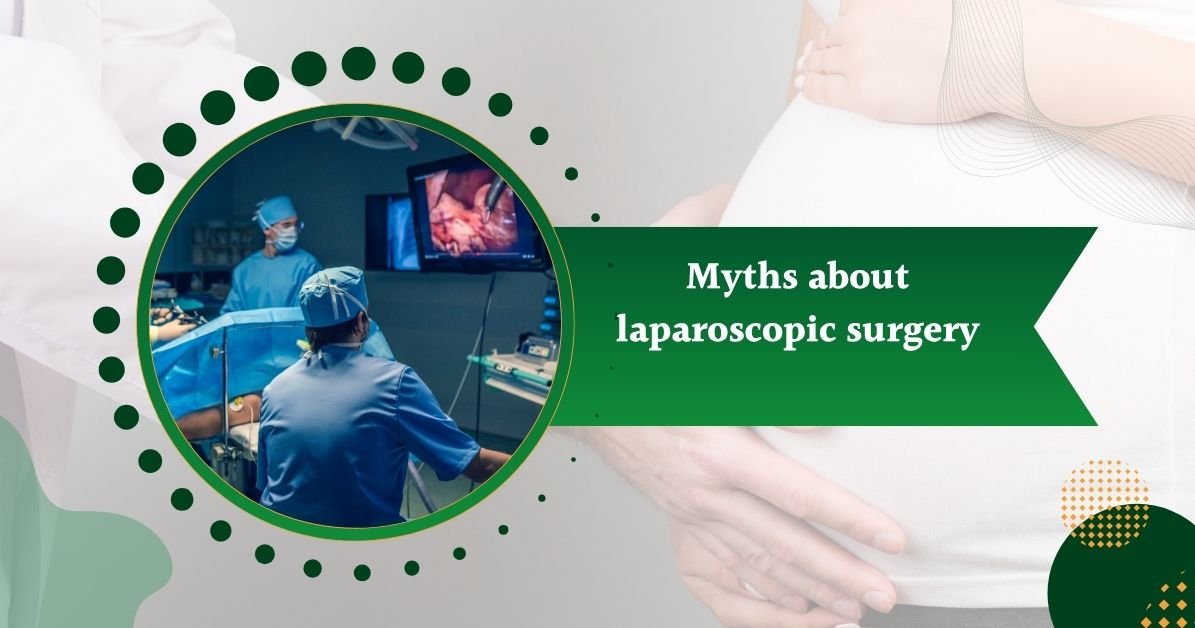
Laparoscopic surgery, also known as keyhole surgery or minimally invasive surgery, has transformed the way doctors perform operations. It allows patients to recover faster, experience less pain, and return to daily life sooner.
However, despite its advantages, many myths and misconceptions still surround laparoscopic surgery. In this blog, let’s clear up some of the most common myths and uncover the truth behind them.
Myth 1: Laparoscopic Surgery Is Not as Safe as Open Surgery
This is one of the biggest misconceptions. In reality, laparoscopic surgery is very safe when performed by a skilled and experienced surgeon. It involves small incisions and the use of advanced instruments with a high-definition camera for better precision.
In fact, the risk of infection and blood loss is often lower than in traditional open surgery.
Myth 2: It’s Only for Minor Procedures
Laparoscopic techniques are used for a wide range of surgeries, from gallbladder removal and appendix operations to complex procedures like hernia repair, gynecological surgeries, and even bariatric (weight loss) surgeries.
Modern advancements have made laparoscopic surgery suitable for many major operations that once required large incisions.
Myth 3: Recovery Time Is the Same as Open Surgery
The recovery time after laparoscopic surgery is much faster. Since the incisions are smaller, patients experience less postoperative pain, minimal scarring, and can resume normal activities sooner—often within a few days, compared to weeks after open surgery.
Myth 4: Laparoscopic Surgery Is Too Expensive
While the initial cost may appear slightly higher due to specialized equipment, the overall cost is often lower. Shorter hospital stays, reduced medication use, and quicker recovery mean fewer days off work and less long-term expense.
Myth 5: It Leaves Noticeable Scars
Unlike open surgery, laparoscopic procedures use tiny incisions (usually 0.5–1 cm), which heal quickly and leave minimal or almost invisible scars. This makes it a preferred choice for those concerned about cosmetic outcomes.
Myth 6: Complications Are More Common
When performed by a trained surgeon, the risk of complications is very low. Laparoscopic surgeries are guided by magnified visuals, allowing surgeons to operate with greater accuracy. In fact, complication rates are comparable or even lower than traditional surgery.
Myth 7: Only Young Patients Can Undergo Laparoscopic Surgery
Laparoscopic surgery is safe for patients of all ages, including elderly individuals, provided they are fit for anesthesia. The minimal invasion and faster recovery often make it a better choice for older patients.
Myth 8: The Surgeon Has Less Control During the Operation
Modern laparoscopic instruments and high-definition cameras provide surgeons with a clearer, magnified view of the internal organs. This actually allows for greater control and precision, reducing the chance of error.