Dr. Manasi Thakur | Gynaecologist In Nagpur | Pregnancy, Delivery | Abortion | Cosmetic Gynecology

Why Choose Dr. Mansi Thakur for Laparoscopic Surgery in Nagpur
When it comes to women’s health and advanced laparoscopic procedures, Dr. Mansi Thakur is a trusted name in Nagpur.
With years of experience, modern surgical techniques, and a compassionate approach, she ensures every patient receives personalized care from diagnosis to full recovery.
Her clinic is equipped with state-of-the-art facilities, ensuring precision, safety, and comfort at every stage.
Moreover, she believes in empowering her patients with education and guidance so they can make informed decisions about their health.
Under her expert supervision, patients can expect:
✅ Minimal discomfort and quick recovery
✅ Transparent communication and emotional support
✅ Safe, precise, and advanced laparoscopic procedures
✅ A comfortable and caring environment for every woman
Understanding Laparoscopic Surgery
Laparoscopic surgery is performed using a laparoscope, a thin tube equipped with a camera and light. It allows the surgeon to see inside the abdomen without making large cuts. The images from the camera are displayed on a monitor, helping the surgeon perform the procedure with great accuracy and minimal trauma to surrounding tissues.
This advanced technique has become the preferred option for many gynecological and general surgeries, including:
Ovarian cyst removal
Hysterectomy (removal of uterus)
Endometriosis treatment
Fibroid removal
Ectopic pregnancy management
Diagnostic laparoscopy for infertility
Common Symptoms That May Require Laparoscopic Evaluation
Before recommending laparoscopic surgery, Dr. Mansi Thakur carefully evaluates each patient’s symptoms and medical history.
You may be advised to undergo laparoscopic evaluation or surgery if you experience:
Persistent pelvic pain or discomfort
Irregular menstrual bleeding or heavy periods
Infertility due to unknown causes
Pelvic inflammatory disease (PID)
Ovarian cysts or fibroids
Abdominal swelling or unexplained pain
If traditional treatments fail to provide relief, laparoscopic surgery helps diagnose and treat underlying conditions effectively, ensuring better long-term health outcomes.
The Process of Laparoscopic Surgery
Understanding how laparoscopic surgery works can ease anxiety and help you prepare for the procedure.
Here’s what typically happens:
1. Preoperative Evaluation
Before surgery, Dr. Mansi Thakur will conduct blood tests, imaging scans, and other diagnostic evaluations to ensure you are fit for the procedure. She will also explain the steps and discuss any pre-surgery instructions, such as fasting.
2. During the Procedure
Under general anesthesia, small incisions (usually less than 1 cm) are made near the abdominal area.
A laparoscope is inserted through one incision, and carbon dioxide gas is gently introduced to expand the abdomen. This gives the surgeon a clear view of the internal organs.
Special instruments are then used to perform the surgery with precision.
3. Postoperative Care
After the procedure, the incisions are closed with small sutures or surgical tape. Most patients can go home the same day or after a short observation period. You’ll receive post-operative care instructions to ensure smooth recovery.
Advantages of Laparoscopic Surgery
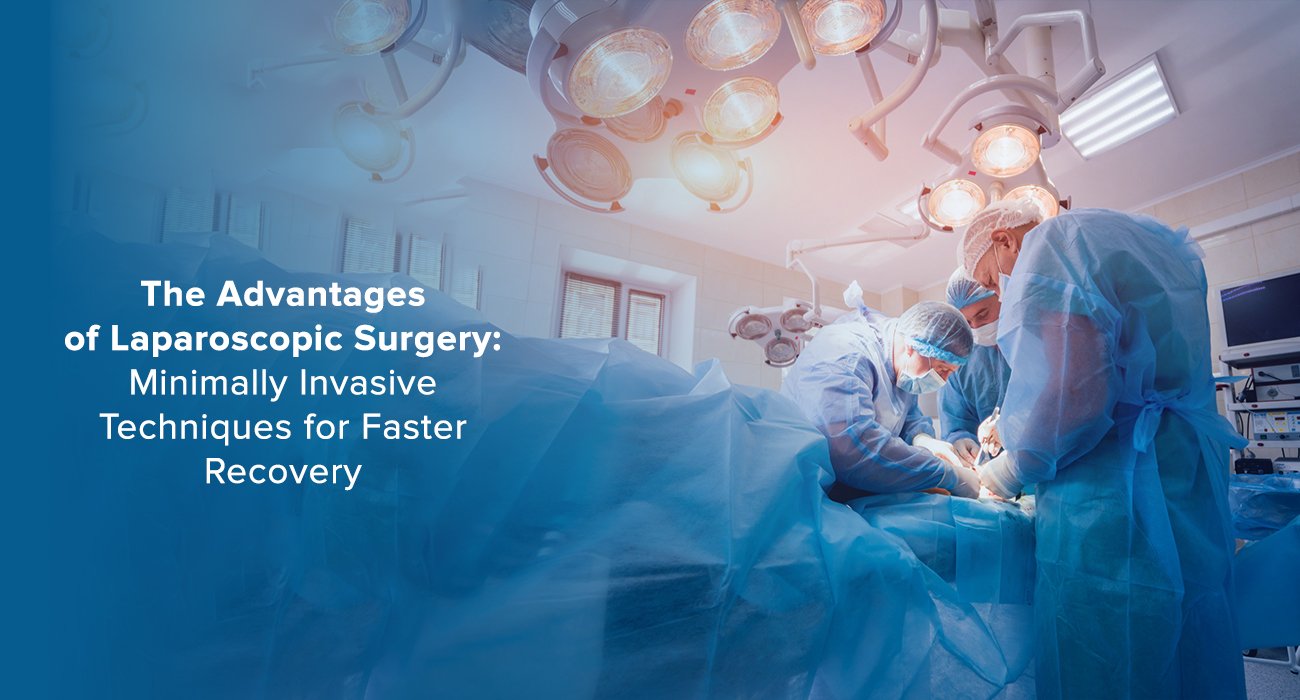
Laparoscopic surgery offers several clinical and cosmetic advantages over traditional open surgery. Let’s explore the key benefits:
1. Smaller Incisions
Traditional surgery often requires large cuts, which can leave noticeable scars.
In contrast, laparoscopic surgery uses tiny incisions, minimizing scars and improving aesthetic results.
2. Less Pain and Discomfort
Because the incisions are small, patients experience significantly less pain and bleeding after surgery.
This also reduces the need for strong pain medications.
3. Faster Recovery
One of the biggest advantages of laparoscopic surgery is the shorter recovery time.
Most patients can return to normal activities within a few days, compared to weeks after open surgery.
4. Lower Risk of Infection
Small incisions mean less exposure of internal organs to external contaminants, thereby reducing the risk of postoperative infections.
5. Reduced Hospital Stay
Many laparoscopic procedures are done on a day-care basis, allowing patients to return home the same day.
This makes it cost-effective and convenient.
6. High Precision and Better Outcomes
The magnified video images from the laparoscope allow surgeons to perform procedures with greater accuracy and minimal damage to healthy tissues.
This results in improved outcomes and quicker healing.
Conditions Treated with Laparoscopic Surgery
Laparoscopy is an essential tool in both diagnostic and therapeutic procedures.
Under the care of Dr. Mansi Thakur, patients in Nagpur can undergo laparoscopic treatment for:
Fibroids: Removal without damaging the uterus.
Ovarian cysts: Safe removal of cysts while preserving ovarian function.
Endometriosis: Detection and removal of abnormal tissue growths.
Ectopic pregnancy: Safe removal with minimal damage to reproductive organs.
Hysterectomy: Removal of the uterus using minimally invasive techniques.
Tubal ligation: A permanent method of contraception.
Each procedure is customized to the patient’s condition, ensuring the best possible results with minimal complications.
Recovery After Laparoscopic Surgery
The recovery phase is usually quick and comfortable. Most patients can resume light activities within a few days, though full recovery may take 1–2 weeks depending on the procedure.
Dr. Mansi Thakur provides detailed aftercare instructions, including:
Take prescribed medications on time
Avoid heavy lifting for a few weeks
Eat a healthy, fiber-rich diet to prevent constipation
Keep incision areas clean and dry
Attend all follow-up appointments
It’s normal to experience mild fatigue or shoulder pain due to the gas used during surgery. However, these symptoms subside within a short period. If you notice redness, swelling, or fever, it’s important to contact your doctor immediately.
Expert Care at Zenith Hospital
At Zenith Hospital, Nagpur, Dr. Manasi Thakur specializes in advanced gynecological procedures, including diagnostic hysterolaparoscopy. With her expertise and modern facilities, patients receive safe, precise, and compassionate care tailored to their condition.Book Your Consultation Today