Dr. Manasi Thakur | Gynaecologist In Nagpur | Pregnancy, Delivery | Abortion | Cosmetic Gynecology
Diagnostic Hysterolaparoscopy is a combined procedure used to evaluate various gynecological conditions such as infertility, pelvic pain, abnormal uterine bleeding, ovarian cysts, and more.
Hysteroscopy: This involves the use of a thin fiber-optic device called a hysteroscope, which is inserted through the vagina to evaluate the uterine cavity. It helps detect abnormalities inside the uterus.
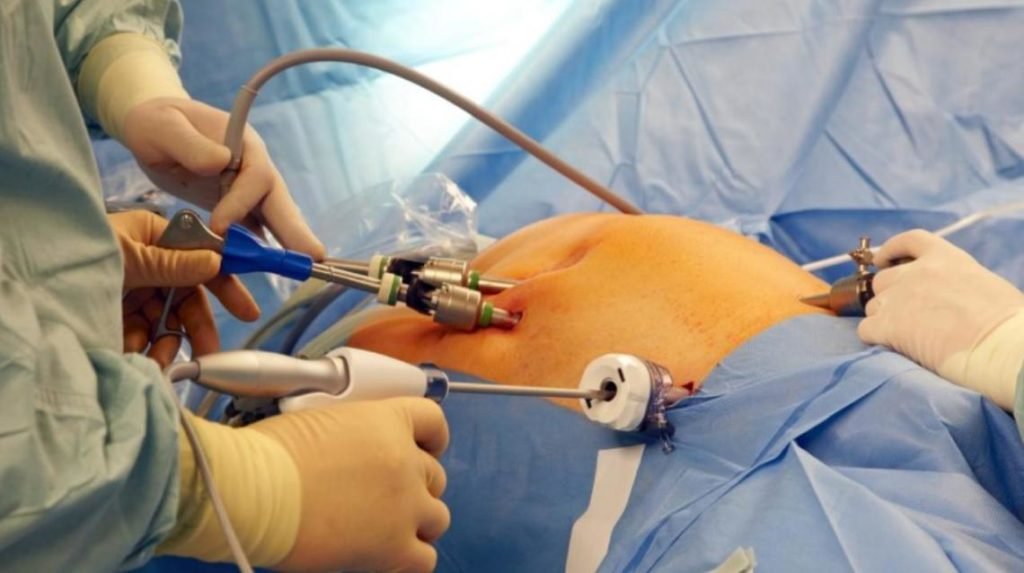
Laparoscopy: A minimally invasive technique where a laparoscope (a thin tube with a camera) is inserted through a small incision in the abdomen to visualize the pelvic organs. Images are displayed on a monitor, assisting the doctor in accurate diagnosis and treatment.
This combined procedure is widely used to diagnose and manage:
Endometriosis
Uterine fibroids
Pelvic or uterine adhesions
Ovarian cysts
Ectopic pregnancy
Structural defects of the uterus
Tubal patency issues
The patient is placed under general anesthesia, ensuring comfort throughout the surgery.
A small incision is made below the belly button for inserting the laparoscope, followed by additional tiny incisions if required.
The pelvic cavity is carefully examined, and findings are documented.
Once the evaluation is complete, the laparoscope and instruments are removed, incisions are closed with stitches, and a bandage is applied.
Like any surgical procedure, diagnostic hysterolaparoscopy carries some rare risks, which may include:
Mild bleeding
Infection
Formation of adhesions
Hematomas
Uterine perforation
Rare injury to adjacent organs
WhatsApp us