Dr. Manasi Thakur | Gynaecologist In Nagpur | Pregnancy, Delivery | Abortion | Cosmetic Gynecology

Pregnancy Diet Planner With Dr. Manasi Thakur, Zeinth Hospital

A healthy, balanced diet during pregnancy is essential for the well-being of the mother and the proper growth and development of the baby. A balanced diet includes the right amounts of proteins, carbohydrates, vitamins, minerals, and healthy fats.

Along with diet, folic acid supplements are recommended to reduce the risk of neural tube defects in the baby.

Do You Need to “Eat for Two”?

It is a common myth that pregnant women must eat for two. This is not true. Even with twins or triplets, eating extra is not necessary. What matters most is the quality of your diet, not the quantity.

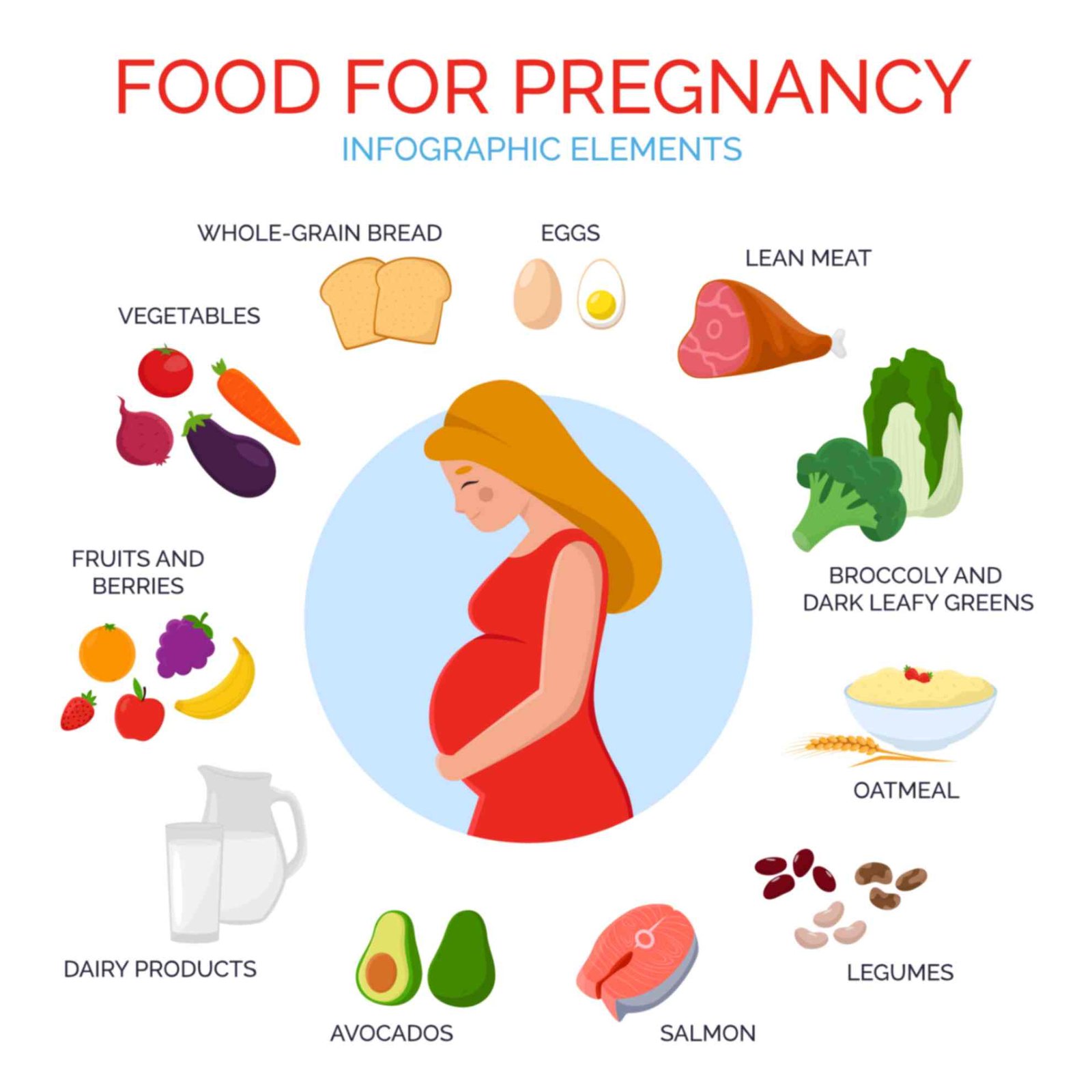
  • Never skip breakfast – it helps avoid unhealthy cravings.

  • Keep your meals varied and balanced for complete nutrition.

Diet In Pregnancy

Fruits & Vegetables

  • Rich in vitamins, minerals, and fibre.

  • Help prevent constipation, which is common during pregnancy.

  • Always prefer fresh, thoroughly washed fruits and vegetables over packed ones.

Carbohydrates

  • Primary source of energy.

  • Should form one-third of your daily diet.

  • Include whole grains like brown rice, whole wheat bread, oats, millet, cornmeal, and pasta.

  • Avoid refined carbs whenever possible.

Proteins

Protein-rich foods support the baby’s growth and development.

  • Good sources: Pulses, beans, eggs, fish, meat (avoid liver), and nuts.

  • Avoid undercooked or raw meat to prevent infections.

  • Limit fish intake to two portions per week, and avoid shark, swordfish, and marlin due to toxins.

Dairy Foods

  • Provide calcium for strong bones and teeth.

  • Include milk, cheese, and yoghurt.

  • Prefer low-fat options and calcium-fortified dairy alternatives (like unsweetened soya drinks).

  • Avoid unpasteurized cheese.

Foods High in Fat & Sugar

Excess fat and sugar lead to unhealthy weight gain and increase the risk of heart disease.

  • Foods like chips, chocolates, cakes, biscuits, pastries, butter, cream, and fried snacks should be limited.

  • Replace saturated fats with healthy vegetable oils.

Cell-Free DNA Testing (from 10 weeks onwards)

A small amount of placental DNA circulates in the mother’s blood and can be tested for Down Syndrome, Trisomy 13, Trisomy 18, and sex chromosome abnormalities. If positive, confirmatory tests like amniocentesis or CVS are required.

Healthy Snack Options

Instead of high-fat and sugary snacks, choose:

  • Fresh fruit or vegetable salads (carrot, cucumber)

  • Plain yoghurt

  • Wheat porridge

  • Vegetable or bean soups

  • Dried fruits like apricots and figs

  • Small sandwiches

Preparing Food Safely

  • Wash fruits and vegetables thoroughly.

  • Keep raw and cooked foods separate.

  • Use separate knives and chopping boards for raw meat.

  • Cook meat thoroughly until steaming hot all the way through.

Doctor’s Guidance

At Zeinth Hospital, Dr. Manasi Thakur recommends a well-planned, balanced diet that includes:

  • A variety of fruits and vegetables

  • Whole grains and cereals

  • Protein-rich foods

  • Dairy products

Routine blood tests during pregnancy help identify any nutritional deficiencies. Along with diet, prenatal vitamins (especially folic acid) are prescribed, as some nutrients are difficult to obtain through food alone.

Call Now Button