Dr. Manasi Thakur | Gynaecologist In Nagpur | Pregnancy, Delivery | Abortion | Cosmetic Gynecology
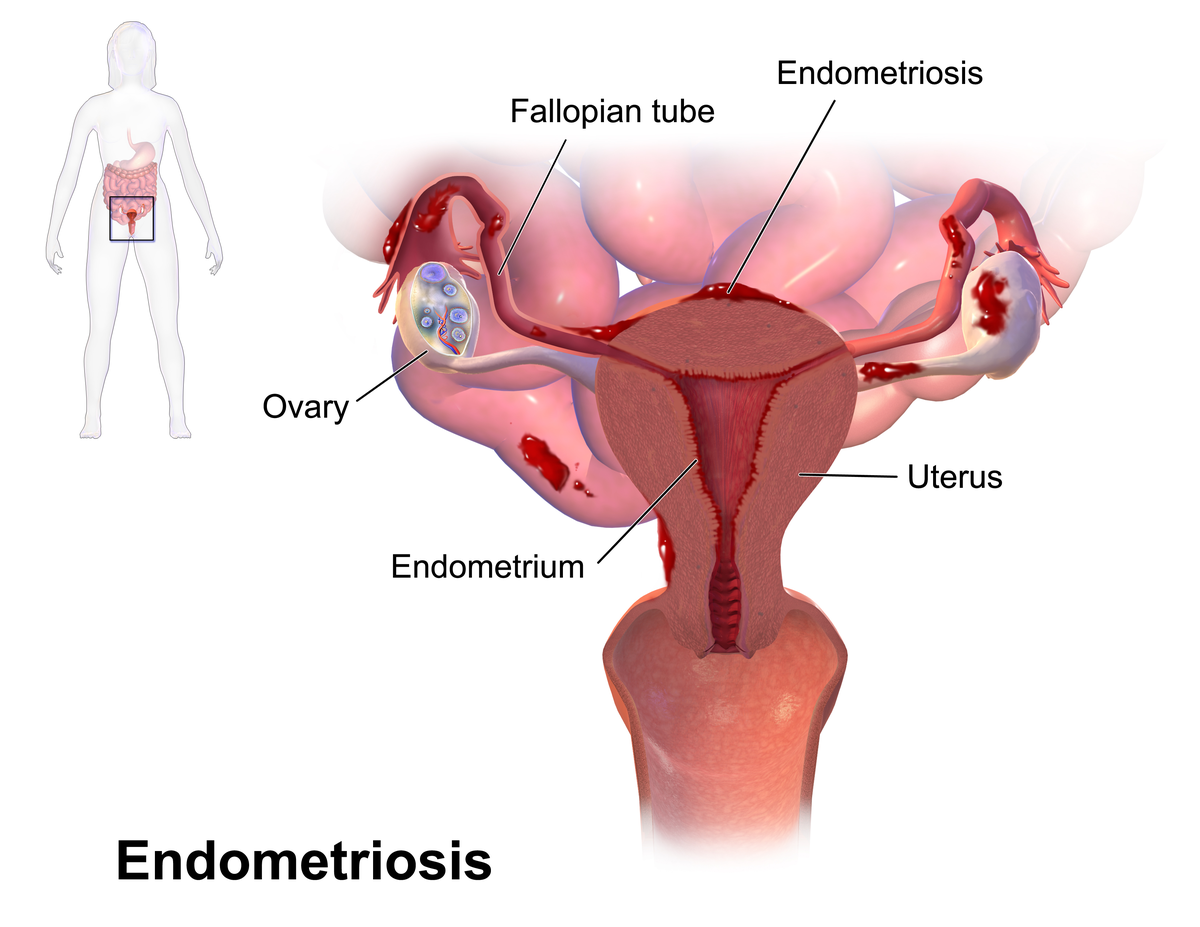
The endometrial tissue outside the uterus responds to hormonal changes during the menstrual cycle. Like the normal uterine lining, these implants grow and bleed each month. This process causes:
Inflammation of surrounding tissues
Pain and cramping
Formation of scars and adhesions
This cycle repeats each month, which is why women experience progressive pelvic pain and severe dysmenorrhea.
Yes. Around 40% of women with infertility have endometriosis. It can:
Reduce the number and quality of eggs
Affect fallopian tube function and motility
Cause tube blockages in severe cases
Painful periods (dysmenorrhea)
Pain during intercourse (dyspareunia)
Infertility
Chronic pelvic pain (lasting more than 6 months)
Pain while urinating (dysuria)
Pain during bowel movements (dyschezia)
Heavy or irregular menstrual bleeding
For Pain Relief:
NSAIDs (Non-steroidal anti-inflammatory drugs)
Oral contraceptive pills
GnRH agonists (Gonadotropin-releasing hormone)
Oral progestins (dienogest)
For Infertility:
Surgical treatment is often required:
Removal of endometriotic implants
Excision of ovarian endometriomas
Opening blocked fallopian tubes
Treating hydrosalpinx
These procedures improve fertility outcomes both naturally and with IVF.
Clinical evaluation
Pelvic examination
Diagnostic laparoscopy (gold standard test)
Endometriosis can be treated but not permanently cured.
Medical treatment relieves symptoms but is not definitive.
Surgical excision may provide long-term relief, but relapse is common (40–80% within 2 years), depending on severity.
Combining surgery with medical therapy may help prolong symptom-free intervals.
In severe cases where:
Pain does not respond to medication or surgery
Family planning is complete
A hysterectomy with removal of both ovaries may be considered as a last resort.
WhatsApp us