Dr. Manasi Thakur | Gynaecologist In Nagpur | Pregnancy, Delivery | Abortion | Cosmetic Gynecology

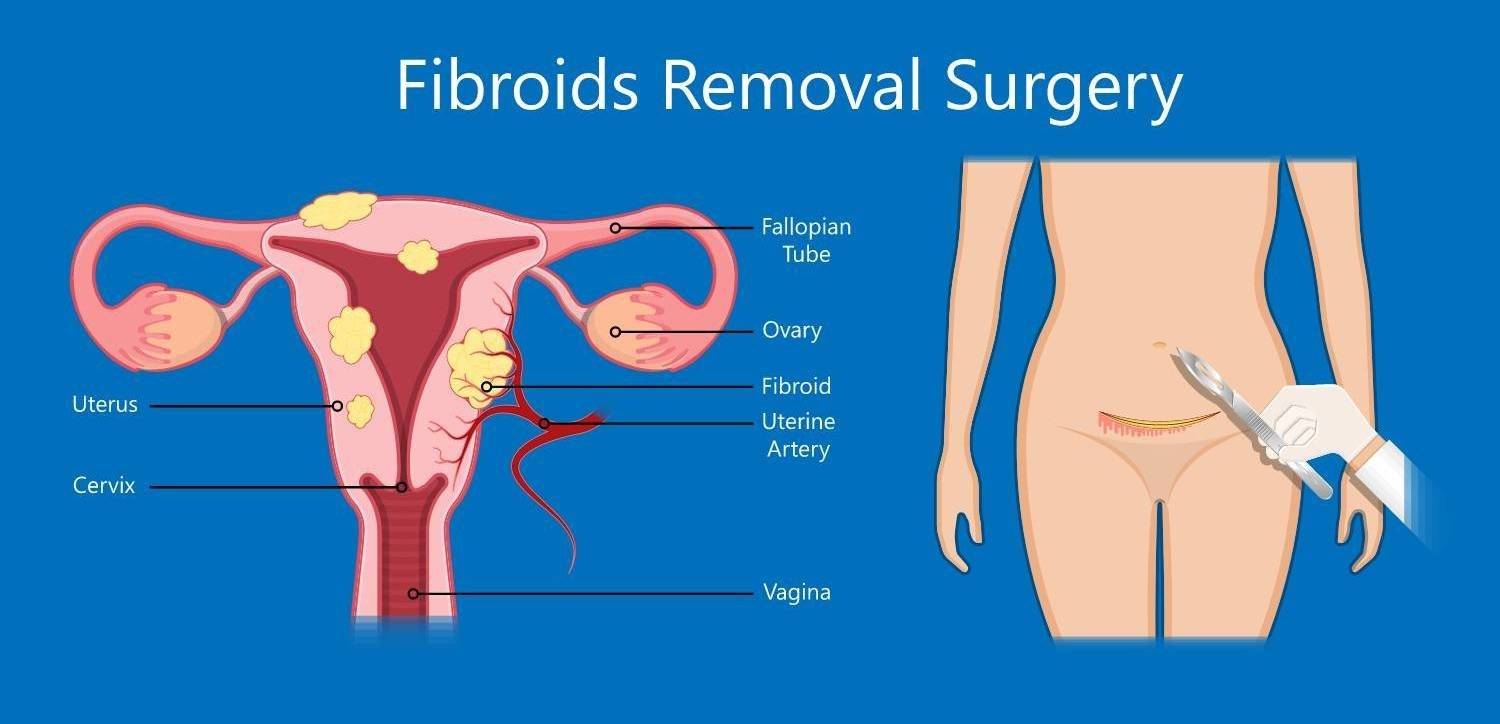
Understanding Uterine Fibroids
Indications for Fibroid Removal Surgery
Why might you consider fibroid removal surgery? In general, surgery is recommended when:
heavy menstrual bleeding leads to anaemia
pelvic pain or pressure becomes frequent or severe
fibroids are interfering with fertility or pregnancy
fibroids are rapidly growing or causing other organ-compression symptoms (such as bladder or bowel pressure)
conservative (non-surgical) treatments have failed or are unsuitable
Thus, if you are experiencing one or more of these issues, consulting a skilled gynaecologist for evaluation is key.
Choosing the Right Specialist in Nagpur
When you select a doctor for fibroid removal surgery, it is important to choose someone with:
strong credentials in gynaecology and minimally invasive surgery
experience in fibroid removal including laparoscopic or hysteroscopic techniques
a patient-centred approach with clear communication and follow-up care
a reputable hospital or clinic environment with adequate support systems
Dr Manasi Thakur meets all of these criteria. Based in Shivaji Nagar, Nagpur, she practices at the Zenith Hospital location and offers advanced treatments in endoscopy, laparoscopy and hysteroscopy, including fibroid removal surgery. Her patients often commend her friendliness, thorough explanations and supportive care.
How the Procedure Works: Removing the Fibroids
In terms of fibroid removal surgery, there are several possible techniques — and your doctor will recommend the best one for your unique situation. Here are the most common approaches:
1. Myomectomy (open, laparoscopic or robotic):
A myomectomy involves removing the fibroid(s) while preserving the uterus. Depending on the size/number/location of fibroids, this can be done through:
open abdominal surgery
laparoscopic (key-hole) surgery
robotic-assisted surgery
Many women favour this option if they wish to maintain fertility.
2. Hysteroscopic myomectomy:
If the fibroids are within the uterine cavity or protrude into it, a hysteroscope may be used (a thin telescope inserted via the vagina and cervix). This allows removal without incisions on the abdomen. On her website, Dr Thakur highlights hysteroscopic myomectomy as one of her fibroid-related treatments.
3. Pre-operative medical treatment:
In some cases, medications such as gonadotropin-releasing hormone (GnRH) agonists are used in the lead-up to surgery to shrink fibroids and reduce blood loss. Dr Thakur’s fibroid webpage mentions this as part of the management plan. drmanasithakur.com
4. Post-operative follow-up and surveillance:
After surgery, monitoring is essential. This includes ensuring adequate recovery, addressing any menstrual changes, monitoring for fibroid recurrence and, if relevant, guidance around future pregnancy. Dr Thakur emphasises fertility-conserving strategies on her profile.
What to Expect: Pre-Operative, Surgery and Recovery
Pre-operative preparation:
Detailed consultation: history, symptoms, goals (e.g., future fertility)
Imaging: ultrasound (possibly 3D), MRI if required, to map fibroids
Blood tests: anaemia check, coagulation profile, overall fitness
Medical optimisation: if heavy bleeding/anemia exists, or other conditions such as hypertension or thyroid issues
Discussion of surgical options: laparoscopy vs hysteroscopy vs open
Consent taken; expectations explained (hospital stay, recovery, follow-up).
During surgery:
On the day of surgery you will arrive at the hospital, pre‐operative checks will be performed
Anaesthesia (generally general) and then the selected surgical technique will be performed
Fibroids removed, uterus repaired (if myomectomy) and any bleeding controlled
Post-operative recovery in the hospital; pain relief, early mobilisation started
Most patients monitored overnight or more depending on the extent; Dr Thakur’s centre specialises in advanced gynaecologic surgery so you will be in experienced hands.
Post-operative and discharge:
Instructions regarding rest, medication (pain relief, antibiotics if required), wound care
Activity gradually increased; laparoscopic patients may go home in 1-2 days whereas larger surgeries may need longer stay
Avoid heavy lifting, strenuous exercise for a few weeks
Follow-up visits scheduled to monitor recovery, menstruation and any symptoms
If fertility is a goal, future planning will be discussed (timing of conception, need for evaluation)
Long-term: monitoring for recurrence of fibroids and maintaining overall uterine health.
Benefits of Fibroid Removal Surgery
Removing fibroids offers numerous benefits, provided the correct candidates are selected. These include:
Relief from heavy menstrual bleeding, thereby reducing anaemia and fatigue
Alleviation of pelvic pain, pressure and urinary/bowel symptoms
Improvement of fertility prospects and reduction of miscarriage risk
Enhanced quality of life — fewer pain days, better reproductive health
Preservation of the uterus (in most myomectomy procedures) which is important for women desiring future pregnancy
Minimally invasive options (with laparoscopy or hysteroscopy) mean faster recovery, less pain and shorter hospital stay.
Risks and Considerations
As with any surgery, fibroid removal carries potential risks — however in skilled hands these are low and well-managed. Important considerations include:
Bleeding during surgery (myomectomy inherently carries some risk of blood loss)
Adhesion formation post-surgery, which may impact fertility or cause pain
Recurrence of fibroids after removal (fibroids may redevelop)
Need for further surgery if large or multiple fibroids persist
If the uterus is removed (in rare cases) then fertility is no longer possible — but this is less common in fertility-conscious procedures.
Dr Thakur will discuss all these aspects during consultation, to ensure you make an informed decision.
Why Act Early?
Waiting too long to address fibroids can lead to worsening symptoms, larger fibroids, more complex surgery and reduced fertility options. By acting early:
you reduce the risk of anaemia from heavy bleeding
you prevent further growth or complications such as degeneration
you preserve more options for minimally invasive surgery
you enhance your reproductive choices if you plan future pregnancy
Therefore, if you suspect fibroids or have heavy periods, pain or fertility issues, seeking a timely evaluation is wise.
What Makes the Nagpur Option Special with Dr Thakur?
Nagpur offers top-class gynaecologic care, but what sets Dr Thakur apart is her emphasis on patient-centred care, minimally invasive techniques and fertility sensitivity. Her clinic is well-placed in Shivaji Nagar and well-equipped to support fibroid surgery cases. Reviews mention her clear explanations, availability for queries and supportive staff.
Moreover, her treatment of fibroids is backed by detailed protocols (including medical preparation, advanced surgical techniques and follow-up). On her website, the fibroid page outlines stages of treatment clearly.
In short: you receive not just surgery, but a comprehensive care pathway from diagnosis through to recovery, under one trusted specialist.
How to Get Started
Getting started is straightforward:
Schedule a consultation with Dr Manasi Thakur at her clinic in Nagpur (Zenith Hospital, Shivaji Nagar). Online or phone booking may be available.
Bring prior investigations if any (ultrasound, MRI, blood tests) or be prepared to have baseline tests done.
Discuss your symptoms, fertility goals, previous treatments and any concerns you have. Dr Thakur will listen to you and tailor the plan.
Receive a diagnostic plan (imaging, labs) and once results are available, discuss surgical vs non-surgical options.
If surgery is needed, finalise date, hospital stay, pre-operative instructions, cost estimate, and recovery plan.
Follow the post-operative care plan diligently: attend follow-ups, adhere to activity restrictions, report any warning signs (fever, heavy bleeding, severe pain).
Maintain long-term monitoring: even after recovery, periodic check-ups ensure any new fibroids or symptoms are caught early.
Expert Care at Zenith Hospital
At Zenith Hospital, Nagpur, Dr. Manasi Thakur specializes in advanced gynecological procedures, including diagnostic hysterolaparoscopy. With her expertise and modern facilities, patients receive safe, precise, and compassionate care tailored to their condition.Book Your Consultation Today