Dr. Manasi Thakur | Gynaecologist In Nagpur | Pregnancy, Delivery | Abortion | Cosmetic Gynecology

Fibroid Uterus
Overview
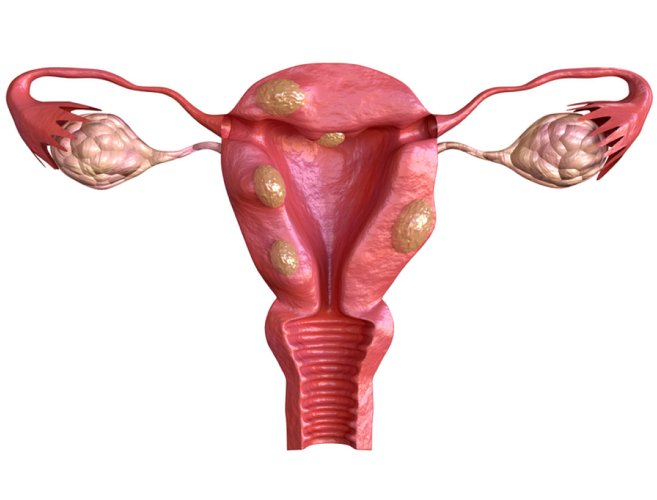
Fibroids are non-cancerous growths that develop from the muscle layer of the uterus. They are very common and can appear either inside or outside the uterus. Although fibroids are benign tumors, in rare cases, they may undergo cancerous changes.
Causes
Symptoms
Fibroids can range in size from very small to very large. Many fibroids are small and cause no symptoms. However, when fibroids are large or multiple, symptoms may include:
Increased menstrual bleeding: Heavy and prolonged periods that may lead to iron deficiency anemia.
Pelvic pressure and pain: Large fibroids may cause heaviness in the lower abdomen and pressure on surrounding organs. For example, anterior wall fibroids can press on the bladder, leading to frequent urination, while posterior fibroids can press on the rectum, causing constipation.
Infertility: Fibroids near the uterine cavity can distort its shape and cause difficulty in conceiving. Fibroids on the outer surface generally do not affect fertility.
Pregnancy complications: Large fibroids may increase the risk of miscarriage, growth restrictions, and placental complications.
Diagnosis
Treatment
Medical Treatment
Iron and vitamins – For correcting anemia caused by heavy bleeding.
NSAIDs & Antifibrinolytics – First-line medications to reduce bleeding and pain during periods. Safe, cost-effective, and taken only during menstruation.
Oral contraceptive pills – Help reduce bleeding, cramps, and pain, but may have side effects.
Intra-uterine device (Mirena) – A hormonal device releasing progesterone, effective for heavy bleeding, with added contraceptive benefits for up to 5 years.
Progesterone receptor modulators – Newer drugs with quick and effective results.
GnRH agonists – Injections given every 1–3 months, used mainly before surgery to shrink fibroids.
Surgical Treatment
Myomectomy – Removes fibroids while preserving the uterus, suitable for women who wish to conceive. May have a recurrence risk. Can be performed abdominally, laparoscopically, or hysteroscopically, depending on fibroid location.
Uterine artery embolization – Blocks blood supply to fibroids, causing shrinkage. Recommended for women who have completed their families.
Magnetic resonance-guided focused ultrasound – A non-invasive treatment using ultrasound energy to destroy fibroids.
Hysterectomy – Complete removal of the uterus, with or without ovaries, offering a permanent solution for fibroids.
Which Treatment is Right for Me?
If heavy menstrual bleeding and pain are your main issues, medical treatment with NSAIDs or antifibrinolytics may be effective.
If you are struggling with infertility due to fibroids, myomectomy is usually the best option.
If your family is complete and medical treatments are not working, surgical options like hysterectomy or uterine artery embolization may be considered.