Dr. Manasi Thakur | Gynaecologist In Nagpur | Pregnancy, Delivery | Abortion | Cosmetic Gynecology

Heavy Menstrual Bleeding (HMB) Treatment in Nagpur By Dr. Manasi Thakur – Zenith Hospital, Nagpur

How serious is Heavy Menstrual Bleeding (HMB)?

Heavy Menstrual Bleeding (HMB) is one of the most common reasons women seek gynecological consultation. In many cases, it can be a sign of an underlying health issue that requires urgent attention. Excessive blood loss can lead to anemia, fatigue, breathing difficulties, and even heart problems if not treated on time.
At Zenith Hospital, Nagpur, Dr. Manasi Thakur offers comprehensive evaluation and personalized treatment plans for women suffering from Heavy Menstrual Bleeding. With advanced diagnostic tools and both medical and surgical treatment options, she ensures safe and effective management tailored to every patient’s needs.
heavy bleeding during periods

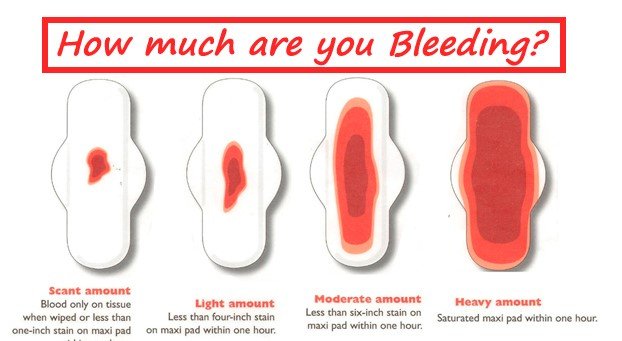
What amount of bleeding is considered “heavy”?

Menstrual bleeding may be termed heavy if you experience:

  • Periods lasting more than 7 days

  • Bleeding that soaks through one or more pads/tampons every hour for several hours in a row

  • Needing to wear more than one pad at a time

  • Waking up at night to change pads/tampons

  • Passing large blood clots during periods

Common Causes of HMB

  • Fibroids and Polyps

  • Adenomyosis

  • Irregular ovulation – PCOS, Hypothyroidism

  • Blood clotting disorders

  • Medications – Blood thinners, aspirin, copper IUD

  • Cancer – Endometrial or Cervical Cancer

  • Other causes – Endometriosis, Ectopic Pregnancy, Miscarriage, Pelvic Inflammatory Disease

Tests & Examinations for Diagnosis

To identify the cause of HMB, Dr. Manasi Thakur may recommend:

  • Physical examination

  • Ultrasound scan

  • Hysteroscopy

  • Endometrial biopsy

  • Sonohysterography

  • MRI (Magnetic Resonance Imaging)

Management & Treatment Options

1. Medications (first-line treatment):

  • Tranexamic acid – to reduce bleeding

  • NSAIDs like ibuprofen – for pain relief & lighter flow

  • Hormonal birth control methods – useful in cases linked to PCOS, fibroids, or endometriosis

  • Hormone therapy – especially for women in perimenopause

  • GnRH agonists – temporarily shrink fibroids and stop bleeding (fibroids return after stopping the drug)

2. Surgical Options (if medicines don’t work):

  • Hysteroscopy – to detect and treat uterine abnormalities

  • Endometrial ablation – destroys the uterine lining to reduce bleeding

  • Uterine artery embolization (UAE) – blocks blood flow to fibroids, shrinking them

  • Myomectomy – removes fibroids while preserving the uterus

  • Hysterectomy – complete removal of the uterus (definitive treatment)

Call Now Button