Dr. Manasi Thakur | Gynaecologist In Nagpur | Pregnancy, Delivery | Abortion | Cosmetic Gynecology

Abnormal Menstruation (Irregular Periods) Treatment in Nagpur By Dr. Manasi Thakur – Zenith Hospital, Nagpur
What is abnormal menstruation?
A normal menstrual period typically lasts 4–7 days, with cycles ranging from 21 to 35 days. When this cycle becomes irregular, too frequent, infrequent, or unusually heavy/light, it is considered abnormal menstruation.
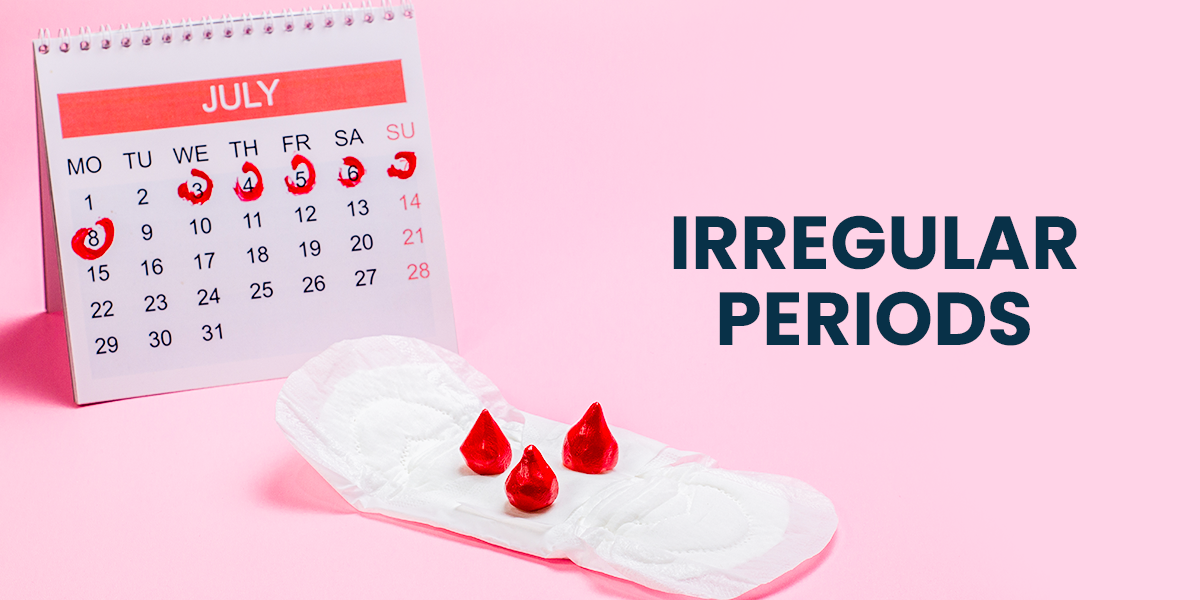
Common abnormalities include:
Periods occurring less than 21 days or more than 35 days apart
Missing three or more consecutive cycles
Very heavy or very light bleeding
Periods lasting longer than 7 days
Severe pain, nausea, or vomiting during periods
Spotting/bleeding between periods, after menopause, or after sex
Types of Abnormal Menstruation
Amenorrhea – absence of periods for 90+ days (not due to pregnancy, breastfeeding, or menopause).
Oligomenorrhea – infrequent cycles (longer than 35 days apart).
Dysmenorrhea – painful periods with cramps.
Abnormal Uterine Bleeding (AUB) – heavy/prolonged flow, spotting between cycles, or postmenopausal bleeding.
Causes of Abnormal Periods
Lifestyle factors – stress, weight changes, diet, exercise, travel, illness.
Birth control pills – starting/stopping hormonal contraceptives can affect cycles.
Uterine polyps & fibroids – benign growths that cause heavy bleeding and pain.
Endometriosis – uterine tissue growing outside the uterus, causing cramps, bleeding, and pain.
Pelvic Inflammatory Disease (PID) – infection of the reproductive tract.
PCOS (Polycystic Ovary Syndrome) – hormonal imbalance leading to irregular cycles, infertility, acne, and excess hair growth.
Premature Ovarian Insufficiency – early loss of ovarian function (before 40).
Other causes – thyroid imbalance, pituitary disorders, pregnancy complications, uterine/cervical cancer, certain medications (steroids, blood thinners).
Diagnosis of Abnormal Menstruation
Dr. Manasi Thakur may recommend:
Detailed menstrual history & physical examination
Pelvic examination & Pap smear
Blood tests (to check hormones, anemia, thyroid, clotting disorders)
Ultrasound for fibroids, cysts, or PCOS
Endometrial biopsy (to detect infections, hormonal imbalance, or cancer)
Laparoscopy (for suspected endometriosis or pelvic disorders)
Treatment Options
1. Medication & Hormonal Therapy
Hormonal pills (estrogen/progestin) to regulate cycles
NSAIDs (ibuprofen) for pain and heavy bleeding
Iron supplements for anemia
Hormonal IUD (like Mirena) to reduce bleeding and provide contraception
GnRH agonists for fibroids and endometriosis
2. Surgical Options (if medical treatment fails):
Myomectomy – removal of fibroids without removing the uterus
Endometrial ablation – destroys the uterine lining to reduce bleeding
Uterine Artery Embolization (UAE) – cuts off blood supply to fibroids
Hysteroscopy – to remove small growths/polyps
Hysterectomy – complete removal of the uterus (for severe cases)
Self-Care & Lifestyle Tips
-
Maintain a healthy weight with balanced diet & exercise
-
Manage stress with relaxation techniques
-
Ensure adequate rest
-
Avoid extreme physical activity/excessive dieting
-
Follow safe menstrual hygiene practices (change pads/tampons every 4–6 hours)
-
Go for regular gynecological check-ups