Dr. Manasi Thakur | Gynaecologist In Nagpur | Pregnancy, Delivery | Abortion | Cosmetic Gynecology

What is Salpingectomy?

Salpingectomy is a surgical procedure in which one (unilateral) or both (bilateral) fallopian tubes are removed. Depending on the extent, it can be either partial or total.
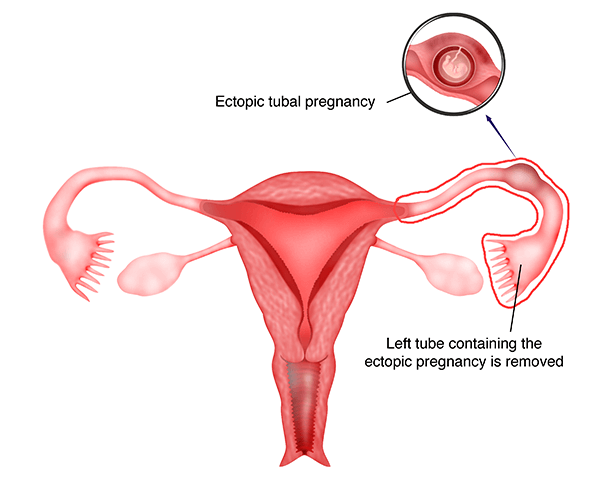
This surgery may be performed for family planning, in combination with removal of the ovaries (oophorectomy) or uterus (hysterectomy), or in cases such as tubal ectopic pregnancy.

Pre-operative Instructions Before the Procedure

At Zenith Hospital Nagpur, Dr. Manasi Thakur will explain the procedure in detail, including the risks, benefits, and post-operative expectations. An informed consent will be taken before surgery. Common pre-op instructions include:

  • Fasting for at least 6–8 hours before surgery

  • Taking your morning dose of thyroid or anti-hypertensive medicines (if applicable)

  • Bringing a companion to the hospital

  • Planning safe transportation back home

  • Carrying loose, comfortable clothing for recovery

Laparoscopic salpingectomy for ectopic pregnancy

During Laparoscopic Salpingectomy

The surgery is performed under general anesthesia and is minimally invasive compared to open abdominal surgery.

  • A small incision is made in the lower abdomen.

  • Carbon dioxide gas is introduced to inflate the abdomen.

  • A laparoscope (thin tube with light and camera) is inserted for a clear internal view on a monitor.

  • Additional small incisions are made to insert instruments.

  • The affected fallopian tube(s) are removed, and bleeding is controlled.

  • Instruments are removed, gas is released, and incisions are closed.

After the Surgery

Following surgery, patients are shifted to a recovery room for observation. Some nausea, soreness, or mild incision pain may occur, which is managed with IV fluids, antibiotics, and painkillers.

  • Fasting continues for about 6 hours post-surgery.

  • Discharge is usually possible once the patient is fully alert and stable.

  • Avoid heavy lifting and strenuous activity for at least one week.

  • Most patients recover fully within 2–4 weeks after laparoscopic salpingectomy.

Potential Complications

Although laparoscopic salpingectomy is considered safe, rare complications may occur:

  • Infection

  • Internal bleeding

  • Bleeding at the surgical site

  • Injury to nearby organs or blood vessels

Call Now Button