Dr. Manasi Thakur | Gynaecologist In Nagpur | Pregnancy, Delivery | Abortion | Cosmetic Gynecology

What is Dysmenorrhea?

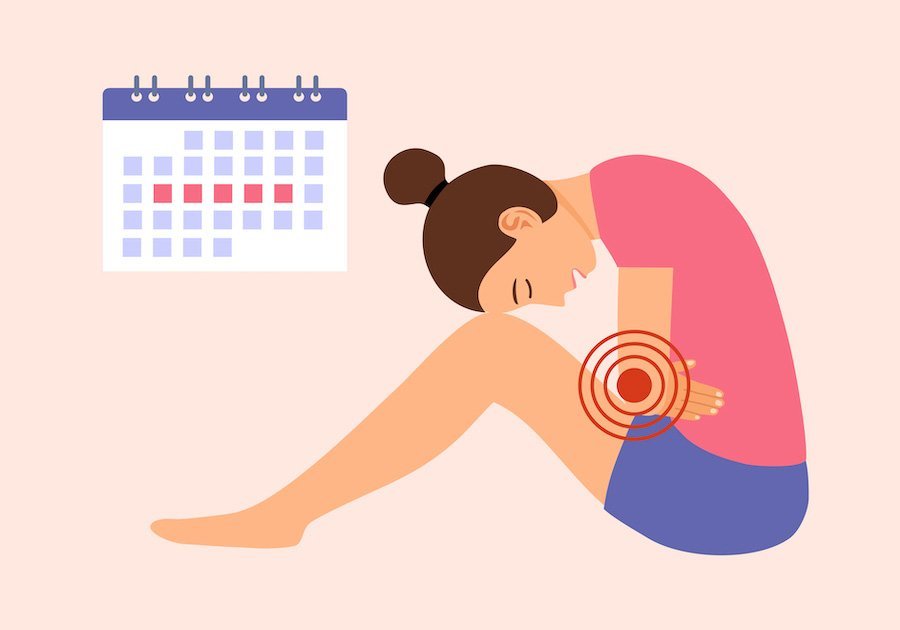
When menstrual periods are painful, the condition is called dysmenorrhea. It is of two types – primary and secondary.

How common is it?

Dysmenorrhea is the most common menstrual complaint. More than half of women who menstruate experience pain for 1–2 days every month.
Painful Periods (Dysmenorrhea)

Features of Primary and Secondary Dysmenorrhea

  • Primary Dysmenorrhea:

    • Usually begins early in life (since menarche).

    • Not linked to any underlying disease.

    • Pain starts with the onset of periods and decreases with time, lasting for a few days.

  • Secondary Dysmenorrhea:

    • Appears later in life.

    • Associated with underlying medical conditions.

    • Pain starts before menstruation, worsens over time, and may persist even after periods end.

Conditions Associated with Secondary Dysmenorrhea

  • Endometriosis

  • Adenomyosis

  • Fibroids

  • Polyps

  • Pelvic Inflammatory Disease (PID)

Diagnostic Tests for Dysmenorrhea

  • Pelvic Examination

  • Ultrasound Examination

  • Diagnostic Hysteroscopy

  • Diagnostic Laparoscopy

Treatment Options for Dysmenorrhea

  • Lifestyle Modifications: Regular exercise, adequate sleep, and stress-relief techniques.

  • Medications:

    • Nonsteroidal Anti-inflammatory Drugs (NSAIDs)

    • Tranexamic Acid

    • Oral Contraceptive Pills

    • GnRH Analogues

  • Surgical Management (if medical treatment fails):

    • Fibroid – Laparoscopic Myomectomy

    • Endometriosis – Excision of Lesions

    • Polyp – Hysteroscopic Polypectomy

    • Adenomyosis – Wedge Resection

    • Hysterectomy – Last resort when pain is severe and other treatments fail

Call Now Button