Dr. Manasi Thakur | Gynaecologist In Nagpur | Pregnancy, Delivery | Abortion | Cosmetic Gynecology

PCOS / PCOD – The Problem
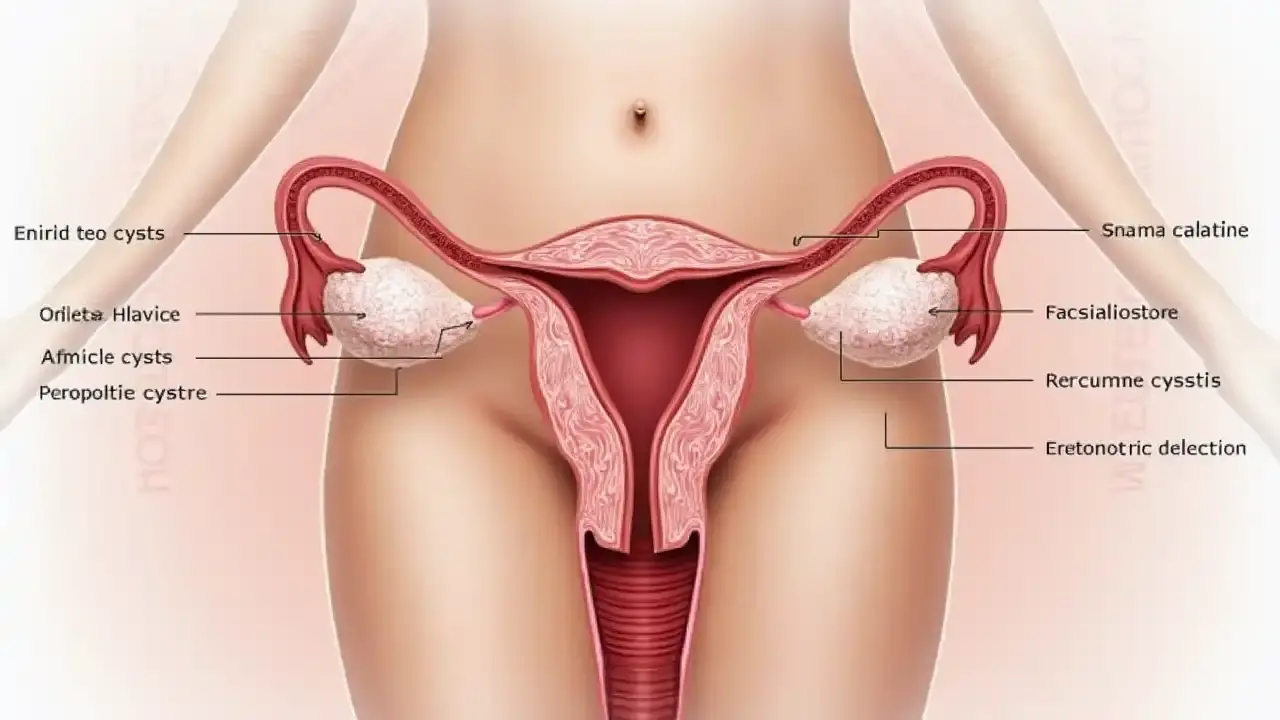
Causes of PCOS
Reproductive hormone imbalance – Altered pituitary hormones like luteinizing hormone (LH) and high androgens interfere with ovary function.
Insulin resistance – Excess insulin production and decreased sensitivity to insulin leads to glucose intolerance and type 2 diabetes.
Both normal-weight and overweight women with PCOS can develop insulin resistance, especially with a family history of diabetes or obesity.
Symptoms of PCOS
Irregular menstrual cycles – Due to lack of ovulation, leading to heavy or prolonged bleeding. Untreated, this can increase risk of endometrial cancer.
Weight gain & obesity – Seen in nearly half of women with PCOS.
Excessive hair growth & acne – Hair growth in unwanted areas (face, chest, abdomen, etc.) and acne due to high androgen levels.
Infertility – Anovulation often causes difficulty in conceiving.
Heart disease risk – Linked to obesity, insulin resistance, and diabetes.
Sleep apnea – Affects up to 50% of women with PCOS, leading to daytime fatigue.
Diagnosis
A woman is diagnosed with PCOS if she meets any two of the following:
Irregular menstrual cycles
Clinical or biochemical signs of hyperandrogenism
Polycystic ovaries on pelvic ultrasound
Additional tests may include pregnancy test, prolactin, TSH, blood glucose, cholesterol, and hormone levels (testosterone, DHEAS).
Regular monitoring is essential since untreated PCOS can increase risks of obesity, diabetes, heart disease, and cancer.
Treatments for PCOS
Oral contraceptives (OCPs) – Regulate cycles, prevent endometrial cancer, and treat acne & hair growth.
Progestin therapy – Induces cycles but does not address acne, hair, or provide contraception.
Hair treatments – Hormonal therapy combined with anti-androgens; excess hair can be removed by shaving, epilation, or laser.
Scalp hair loss – Treated with medications, hair transplants, or wigs.
Weight loss – First-line management; losing even 5–10% of body weight improves cycles and reduces risks.
Metformin – Especially useful in women with obesity and insulin resistance.
Expert Care in Nagpur
Dr. Manasi Thakur at Zenith Hospital, Nagpur, provides comprehensive diagnosis and treatment for PCOS / PCOD, focusing on hormonal balance, fertility care, cosmetic concerns, and long-term health risks. With a holistic approach, she helps women manage symptoms, restore cycles, and improve overall well-being.