Dr. Manasi Thakur | Gynaecologist In Nagpur | Pregnancy, Delivery | Abortion | Cosmetic Gynecology
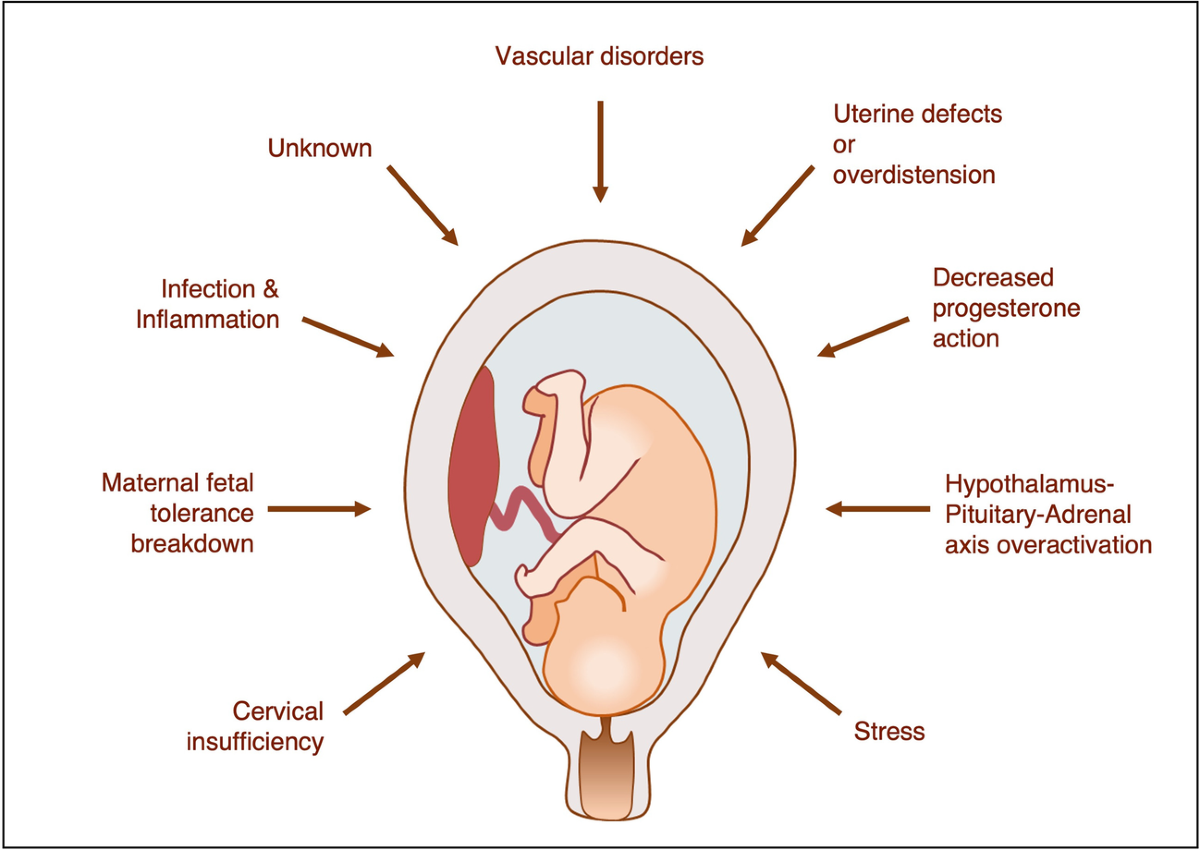
In about 50% of cases, the exact cause is unknown. However, several factors may increase the risk:
Previous history of abortions or preterm delivery
Pregnancy through IVF/ART
Recurrent urinary tract infections
Smoking and poor nutrition
Low socioeconomic status and maternal stress
Pregnancy complications like preeclampsia, bleeding, PROM, or excess amniotic fluid
Uterine abnormalities (short cervix, malformations)
Medical conditions: hypertension, diabetes, severe anemia, fever, diarrhea, appendicitis, or recent abdominal surgery
Multiple pregnancy, congenital fetal anomalies, or intrauterine death
Placental problems: placenta previa, abruption, infarction, or thrombosis
Regular uterine contractions are the main symptom
Confirmed by cervical examination
Transvaginal ultrasound to check cervical length
Fetal fibronectin test – presence between 24–34 weeks can predict preterm labor
At Zenith Hospital, Nagpur, the goal is to delay delivery safely when possible and ensure the best outcome for mother and baby. Management may include:
Glucocorticoids to help mature the baby’s lungs
Transfer to a tertiary center with NICU support if needed
Tocolytic drugs (to temporarily stop contractions) unless contraindicated
Antibiotics to prevent infection
Magnesium sulfate for neuroprotection and to reduce risk of cerebral palsy (if <34 weeks)
Careful intrapartum monitoring with a neonatologist present during delivery
Vaginal delivery is preferred unless a cesarean is medically necessary
While many cases are unpredictable, risks can be reduced by:
Treating infections early
Identifying high-risk pregnancies through screening
Using preventive medications (like tocolytics) when appropriate
Administering corticosteroids if preterm birth seems likely
WhatsApp us