Dr. Manasi Thakur | Gynaecologist In Nagpur | Pregnancy, Delivery | Abortion | Cosmetic Gynecology
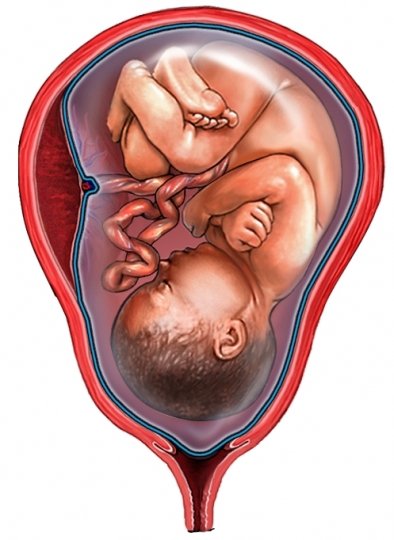
Amniotic fluid is the protective water surrounding your baby in the womb. This fluid is contained by the amniotic sac (a thin membrane). Normally, the sac breaks during labor, but if it ruptures before 37 weeks of pregnancy, it is called Preterm Premature Rupture of Membranes (PPROM).
PPROM increases the risk of infection and often leads to premature birth. PROM occurs in 8–10% of pregnancies, while PPROM accounts for about 25–30% of all preterm births.
In many cases, the exact cause is unknown. However, certain risk factors include:
Poor prenatal care due to low socioeconomic conditions
Sexually transmitted infections (chlamydia, gonorrhea, etc.)
Infections of the uterus, cervix, or vagina
Excessive stretching of the amniotic sac (due to multiple pregnancy or excess fluid)
Smoking during pregnancy
Previous cervical surgery or biopsy
History of PROM or PPROM in a prior pregnancy
Vaginal bleeding
The risks are more serious if rupture occurs before term. Possible complications include:
Infection of amniotic fluid (chorioamnionitis) and fetal infection
Cord prolapse
Dry labor due to continuous leakage of fluid
Placental abruption
Underdeveloped lungs in the baby (pulmonary hypoplasia)
Neonatal sepsis or cerebral palsy
Maternal complications such as endometritis, retained placenta, sepsis, or rarely, death
Sudden gush or continuous leaking of fluid from the vagina
Persistent wetness in the vagina or underwear
Speculum examination to confirm fluid leakage
Litmus/Nitrazine paper test (amniotic fluid pH is 7–7.5 vs. vaginal pH of 5–5.5)
Ferning test under a microscope
Ultrasound to assess fluid levels and fetal well-being
Treatment depends on the stage of pregnancy, health condition, and test results. Options include:
Hospitalization for close monitoring of infection and fetal health
Antibiotics to prevent or treat infection
Corticosteroids to speed up lung maturity in the baby
Medications to delay preterm labor (if safe)
Expectant management in rare cases where the sac may reseal
Planned delivery: Most women with PPROM deliver at 34 weeks if stable. In case of infection, placental abruption, or fetal distress, earlier delivery may be required.
WhatsApp us