Dr. Manasi Thakur | Gynaecologist In Nagpur | Pregnancy, Delivery | Abortion | Cosmetic Gynecology

Screening for Genetic Diseases With Dr. Manasi Thakur, Zeinth Hospital
Genetic screening during pregnancy helps detect the possibility of chromosomal or genetic disorders such as Down Syndrome and other conditions. These tests identify changes in chromosomes, genes, or proteins that could affect the baby’s health. Early detection allows parents and doctors to make informed decisions and manage the pregnancy safely.
Dr. Manasi Thakur emphasizes the importance of timely genetic testing, which may include:
Prenatal Diagnosis
Diagnostic / Prognostic Tests
Predictive / Predisposition Tests
Preimplantation Genetic Diagnosis (PGD)
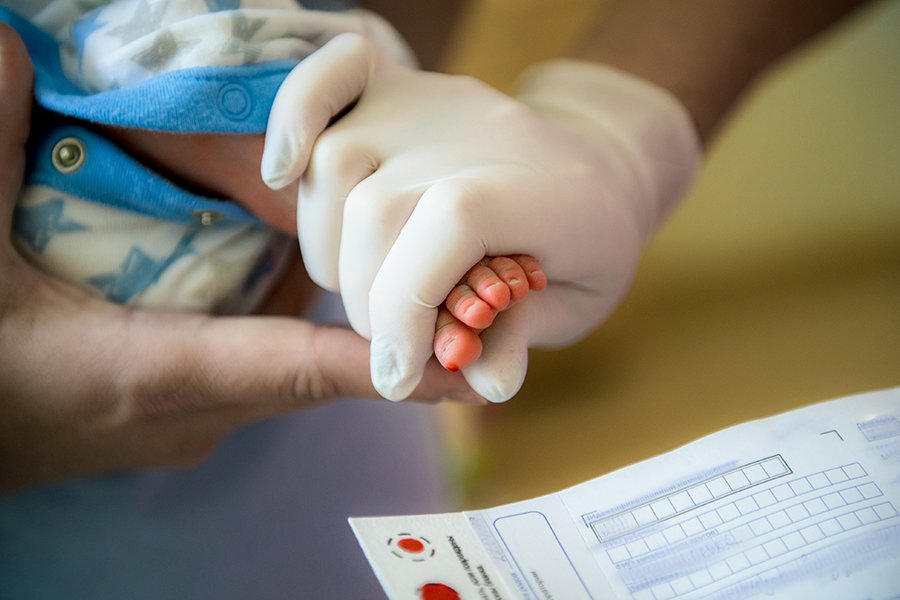
What is Prenatal Genetic Testing?
What are Genetic Disorders?
Genetic disorders occur due to changes in a baby’s genes or chromosomes during development.
Aneuploidy: Abnormal number of chromosomes (e.g., Trisomy with an extra chromosome, Monosomy with a missing chromosome).
Mutations: Deletions or changes in genes (e.g., Sickle Cell Disease, Cystic Fibrosis).
Types of Prenatal Genetic Tests
Prenatal Screening Tests
Estimate the probability of the baby having a genetic disorder.
Common tests: ultrasound, double marker test, quadruple marker test, cell-free DNA testing.
Prenatal Diagnostic Tests
Confirm the presence of a disorder when screening shows high risk.
Invasive tests like amniocentesis and chorionic villus sampling (CVS) are performed on fetal or placental cells.
First Trimester Screening (10–13 weeks 6 days)
Double Marker Test: Measures beta-HCG and PAPP-A in the mother’s blood.
Ultrasound (NTNB scan): Measures nuchal translucency (NT) and checks for nasal bone (NB). Abnormal values suggest higher risk for aneuploidies.
Second Trimester Screening (15–20 weeks)
Quadruple Marker Test: Measures AFP, HCG, Estriol, and Inhibin-A. Screens for Down Syndrome, Trisomy 18, and neural tube defects (NTDs).
Anomaly Scan (Level II ultrasound): Done at 18–20 weeks, it detects major structural abnormalities in the brain, spine, heart, abdomen, and limbs.
Cell-Free DNA Testing (from 10 weeks onwards)
Understanding the Results
Positive Screening Result: Indicates a higher risk of the fetus having a genetic disorder. It does not confirm the disorder and must be followed by diagnostic testing.
Negative Screening Result: Suggests a lower risk compared to the general population but does not rule out the possibility completely.