Dr. Manasi Thakur | Gynaecologist In Nagpur | Pregnancy, Delivery | Abortion | Cosmetic Gynecology

Vaccination During Pregnancy With Dr. Manasi Thakur, Zeinth Hospital

Why Should Pregnant Women Be Vaccinated?

Vaccines protect both the mother and the unborn baby from infections that may cause serious complications. Women who are not immunized are more vulnerable to certain diseases, and timely vaccination helps ensure a safe pregnancy and a healthy baby.

At Zeinth Hospital, Dr. Manasi Thakur ensures that every pregnant woman receives the right vaccines at the right time for a safe and healthy pregnancy journey.

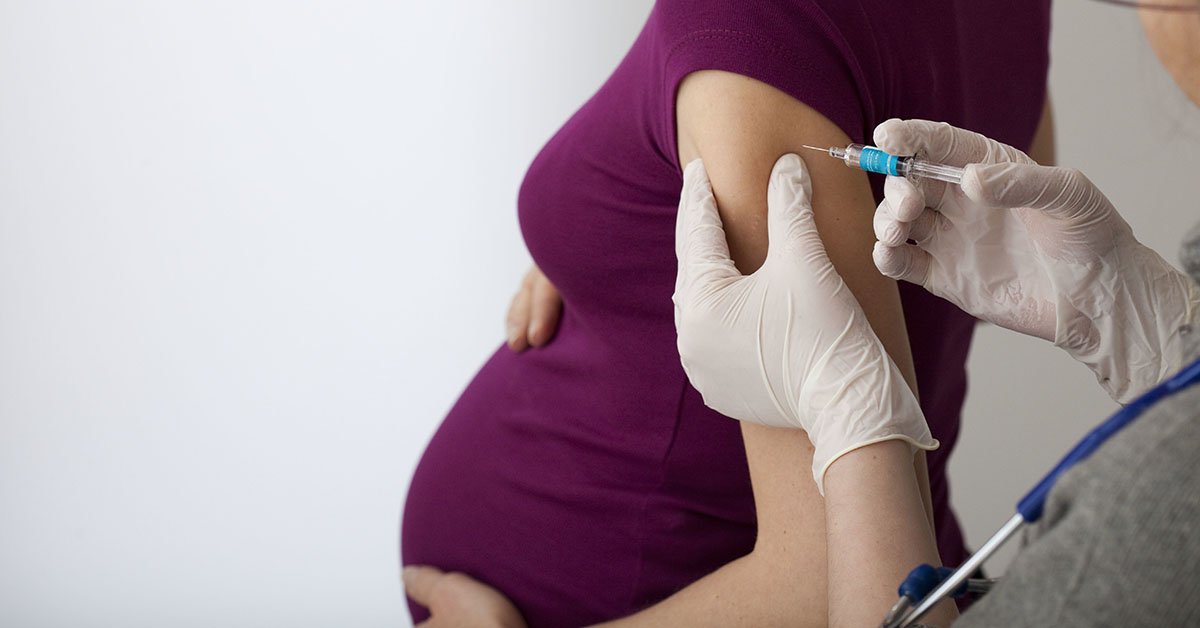
Vaccination in pregnancy

Are Vaccines Safe in Pregnancy?

Yes. All vaccines are tested for purity, potency, and safety before being released. Their use is continuously monitored by international health authorities.

Women with allergies (for example, to eggs in the flu vaccine) must consult their doctor before vaccination, as allergic reactions may occur.

Which Vaccines Are Safe During Pregnancy?

Not all vaccines are safe. Inactivated (killed) vaccines are safe in pregnancy, while live vaccines are avoided. Always discuss vaccine safety with your doctor.

Recommended Vaccines in Pregnancy

  1. Hepatitis B:

    • Safe for pregnant women at risk who have not been immunized.

    • Protects both mother and baby from infection during and after delivery.

    • Requires 3 doses (0, 1, and 6 months).

  2. Influenza (Inactivated):

    • Recommended for all pregnant women during flu season.

    • Prevents serious flu-related illness in mothers.

    • Nasal spray flu vaccine (live virus) should be avoided.

  3. Tetanus, Diphtheria, Pertussis (Tdap):

    • Protects mother and baby against three life-threatening diseases.

    • One dose is recommended between 27–36 weeks of every pregnancy, regardless of past immunizations.

    • If not given during pregnancy, it should be administered immediately after birth.

Can Vaccines Harm the Baby?

Some live-virus vaccines can potentially affect the baby, leading to miscarriage, birth defects, or preterm birth. These should be avoided during pregnancy and are best taken at least 3 months before conception or after delivery.

Vaccines to Avoid in Pregnancy

Live vaccines and those with unknown safety

  • Measles, Mumps, Rubella (MMR): Non-immune women should wait at least 1 month after vaccination before conceiving.

  • Varicella (Chickenpox vaccine): Should be given at least 1 month before conception.

  • Hepatitis A: Safety not well studied; can be given only if benefits outweigh risks.

  • Pneumococcal vaccine: Should be avoided in pregnancy due to insufficient safety data.

Call Now Button